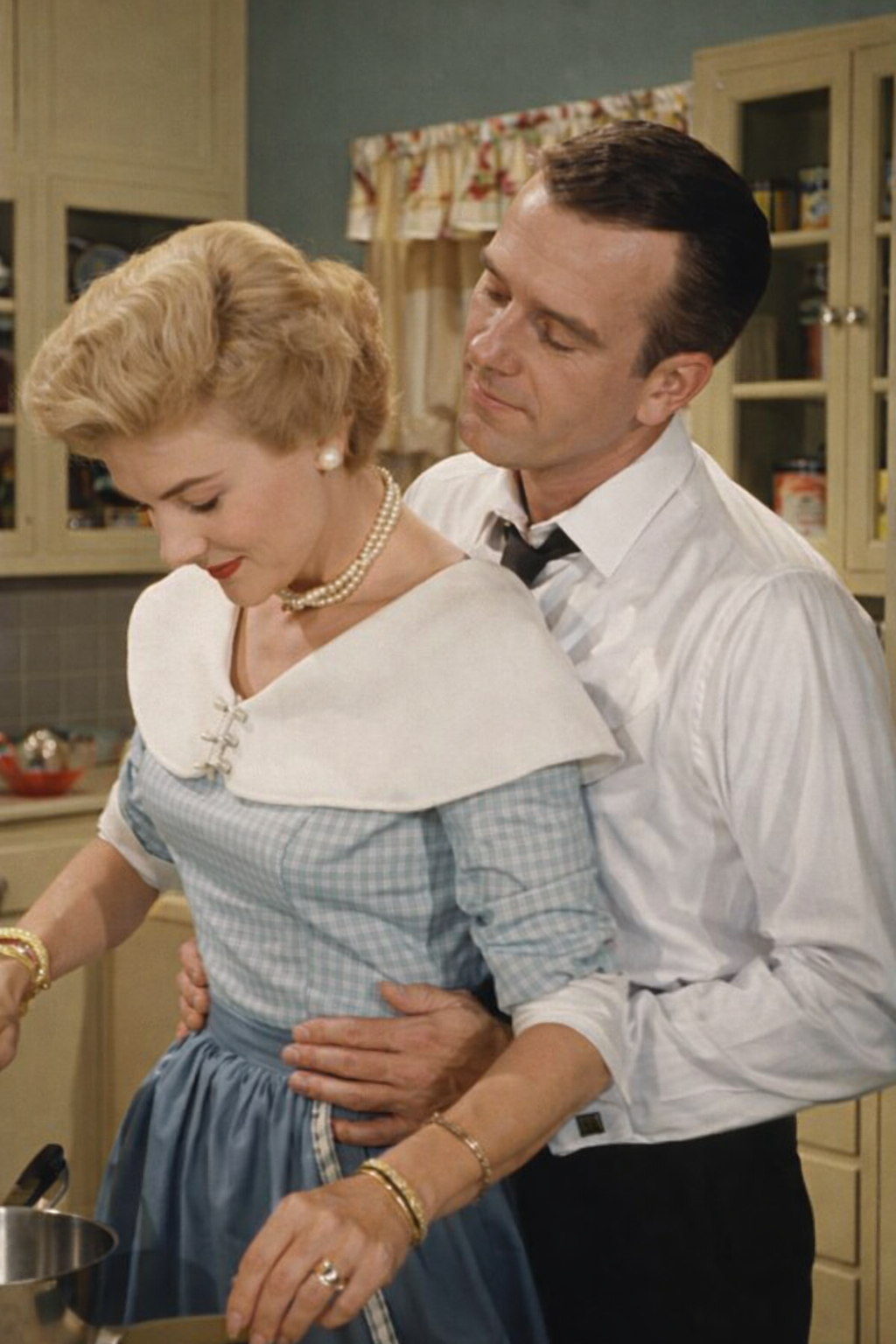
If the world truly mirrored the values portrayed in Leave It to Beaver, it’s easy to imagine a society that feels more considerate, respectful, and grounded in simple kindness.
The show presented a version of everyday life where honesty, responsibility, and empathy guided even the smallest decisions.
Conflicts were resolved with calm conversations rather than chaos, and family bonds were treated as something to nurture and protect.
In many ways, it offered not just entertainment, but a quiet blueprint for how people might treat one another.
Yet, like any long-running television series, even the most beloved shows are not without their imperfections.
Beneath the polished surface of Leave It to Beaver lies a collection of small mistakes, overlooked details, and behind-the-scenes quirks that add an extra layer of charm for attentive viewers.
These subtle flaws don’t detract from the show’s legacy—in fact, they make it feel more human, reminding us that even carefully crafted productions can have their slip-ups.
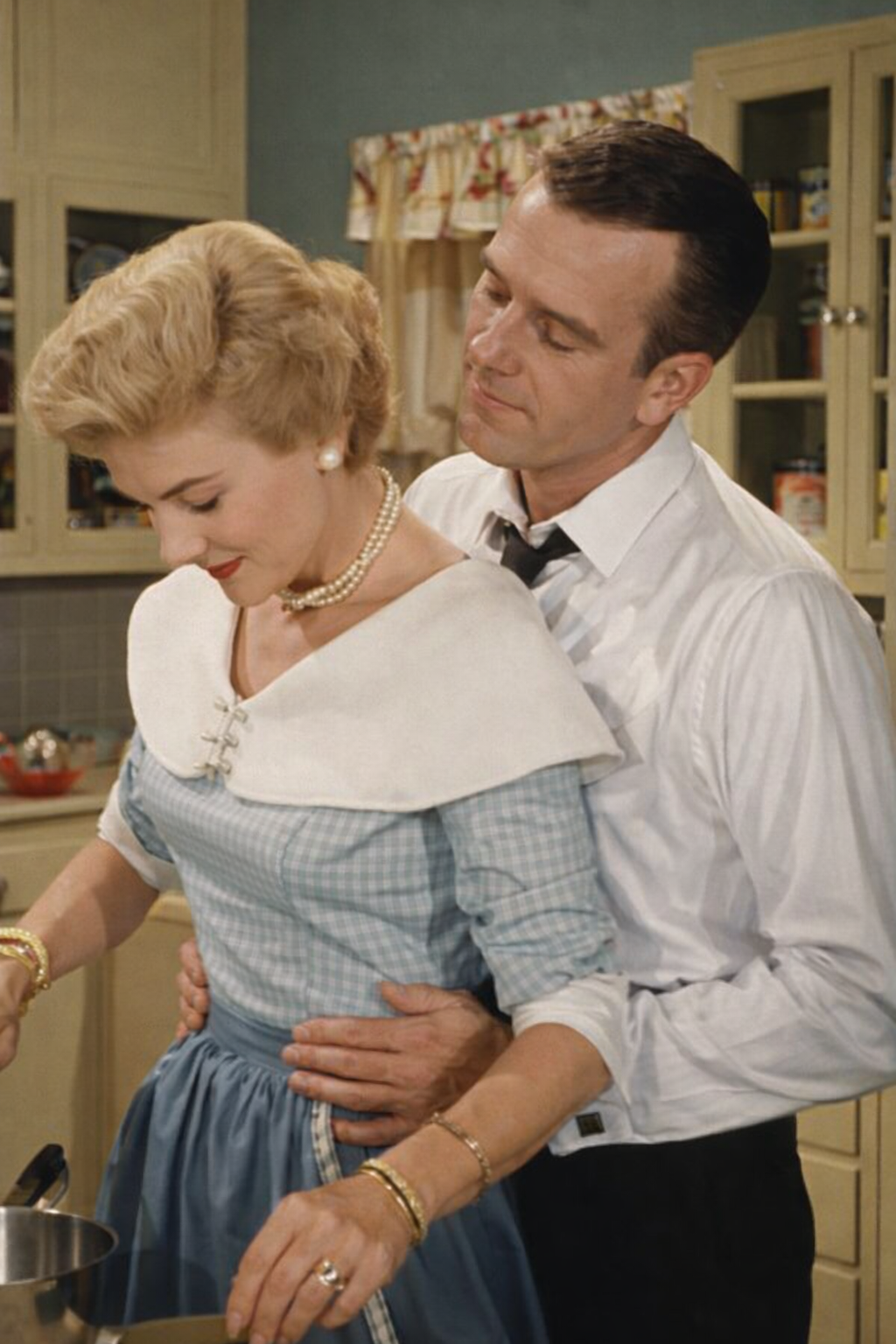 Setting a high standard was one of the show’s defining achievements. Although the Cleaver family was fictional, their behavior and values resonated deeply with audiences across America.
Airing from 1957 to 1963, the sitcom became a cultural touchstone, representing an idealized vision of family life that many viewers admired and aspired to.
Over time, as television evolved and storytelling styles shifted, that same sense of wholesome simplicity has proven difficult to recreate.
At its core, the show succeeded because it was both well-written and genuinely entertaining.
Its humor was gentle and situational, often drawn from relatable childhood misunderstandings or everyday dilemmas.
Viewers could see themselves in Beaver’s innocent mistakes or Wally’s attempts to do the right thing.
However, hidden among these carefully scripted moments are a few amusing bloopers that somehow slipped past editing and made it to the final broadcast.
 One particularly surprising example involves June Cleaver’s household calendar.
In an episode titled “The Poor Loser,” keen-eyed viewers might notice that the calendar hanging in the impeccably organized Cleaver home doesn’t match the year in which the episode is set.
It appears the production team reused a calendar from 1961, even though the episode aired in 1963.
For a character known for her meticulous attention to detail, this small inconsistency stands out as a humorous oversight.
The same episode features another subtle error.
When Ward and Beaver plan to attend a baseball game, a close-up shot of their tickets reveals a misspelling: “Mayfield,” the name of their fictional town, is incorrectly printed as “Mayfied” in smaller text.
It’s the kind of tiny mistake that most viewers would never notice, but once spotted, it becomes a delightful piece of trivia.
 Beyond these on-screen quirks, there are also fascinating details about the actors themselves. Barbara Billingsley, who portrayed June Cleaver, became an enduring symbol of grace and composure.
Her character was always impeccably dressed, often seen wearing pearls and high heels even while doing housework.
While this look contributed to her iconic image, it also served practical purposes.
The pearl necklace helped conceal a small surgical scar on her neck, while the heels ensured she maintained a balanced height alongside her growing on-screen sons.
Speaking of her sons, the chemistry between Jerry Mathers (Beaver) and Tony Dow (Wally) played a crucial role in the show’s success.
Their relationship felt natural and authentic, capturing both the warmth and occasional tension of sibling life. Off-screen, their bond was just as strong.
The two actors got along remarkably well and remained close friends long after the series ended, which undoubtedly contributed to the believable dynamic audiences saw on screen.

Their connection is evident in behind-the-scenes photos and interviews. In a 2006 discussion with the Television Academy Foundation, Jerry Mathers described Wally as the ideal older brother—athletic, intelligent, and admired by everyone.
This admiration translated seamlessly into their performances, reinforcing the sense of realism that made the show so engaging.
Leave It to Beaver also broke new ground in subtle but meaningful ways.
One of its most notable achievements was presenting stories from a child’s perspective, allowing younger viewers to feel seen and understood.
It also wasn’t afraid to touch on aspects of daily life that other shows avoided. A famous example involves a scene where Wally carries a toilet seat—an unusual sight for television at the time.
 While it may seem trivial today, this moment was surprisingly significant.
In the 1950s, television networks were extremely cautious about depicting bathrooms, considering them inappropriate for viewers.
Even showing part of a toilet was considered controversial. By including such a scene, the show quietly pushed boundaries and helped normalize everyday realities on screen.
In the end, it’s these small imperfections, hidden details, and groundbreaking moments that make Leave It to Beaver even more memorable.
The show’s enduring appeal lies not just in its idealized vision of family life, but also in the subtle glimpses behind the curtain—reminders that even the most polished productions are made by real people, complete with their own charming flaws.