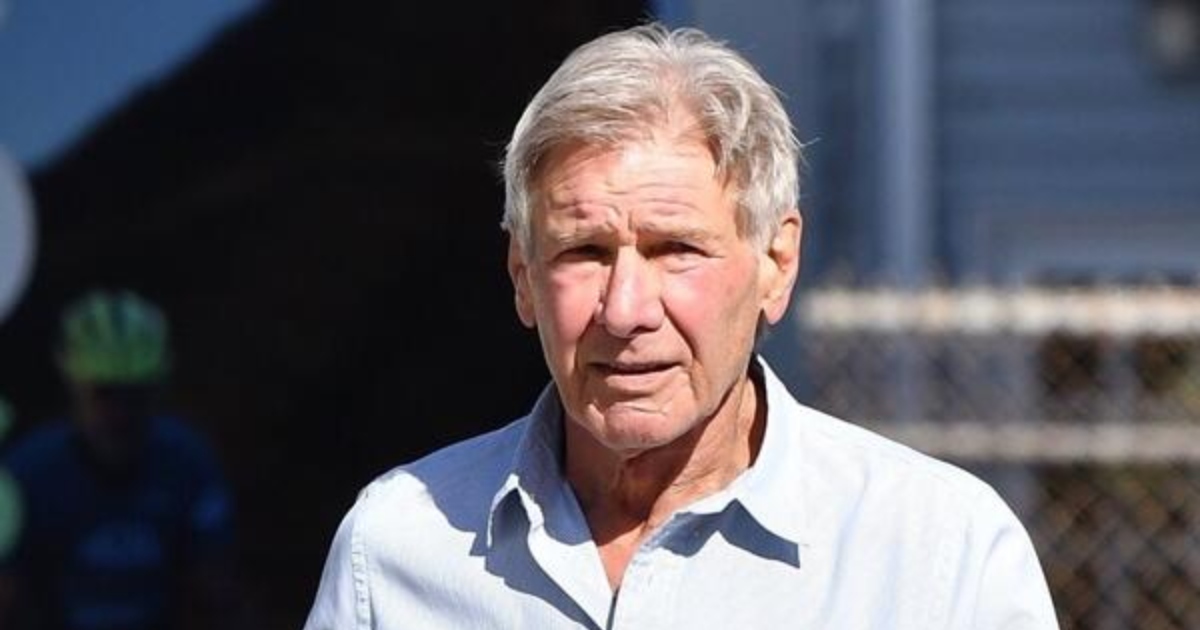

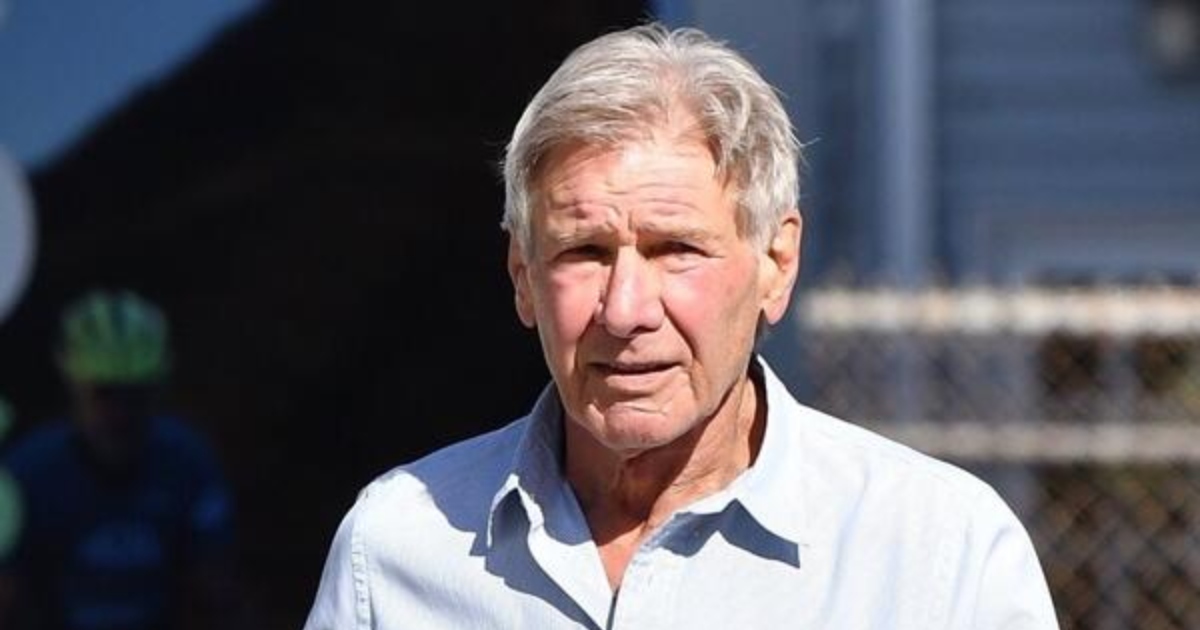
Some celebrity photographs become confusing not because the image is false, but because its date quietly disappears. The Beaware page now circulating about Harrison Ford was published on April 4, 2025, when the actor was 82. Ford was born on July 13, 1942, so he is 84 as of August 2026. That correction matters immediately, because the headline can look like a current report even though it belongs to last year. The article also does not provide a date or location for its lead photograph, so it would be misleading to invent one. What can be verified is that Ford made a notable public appearance in New York on March 31, 2025, only days before the Beaware piece appeared. He and his wife, Calista Flockhart, walked on Manhattan’s Upper West Side, entered the subway, and shared a goodbye kiss before taking separate downtown trains. Reports at the time noted that Ford had recently missed the Oscars after being diagnosed with shingles. The sighting therefore belonged to a specific moment in 2025, not a mysterious transformation unfolding today. Seen with the date restored, it becomes something warmer: an ordinary city outing involving one of Hollywood’s most familiar faces, moving through Manhattan quietly.

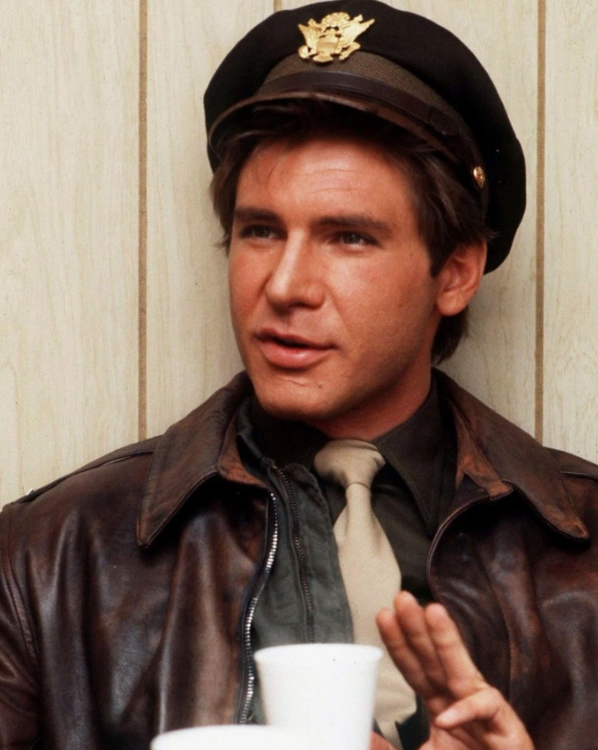
For older American moviegoers, Ford’s face carries memories from several different eras of moviegoing. Before Han Solo and Indiana Jones became inseparable from his name, he spent years trying to establish himself in Hollywood. Ford had small television and film roles during the 1960s, and he also worked as a carpenter while supporting his family and pursuing acting. A turning point came with George Lucas’s American Graffiti in 1973, where Ford played Bob Falfa. Four years later, Star Wars introduced him as Han Solo, the sardonic pilot whose wit, swagger, and reluctant heroism helped make the film a cultural phenomenon. Ford returned for The Empire Strikes Back and Return of the Jedi, then revisited Han decades later in The Force Awakens. Meanwhile, Raiders of the Lost Ark arrived in 1981, giving him another character audiences would carry for generations. Indiana Jones combined adventure, humor, scholarship, fear, and stubborn courage in a way that felt different from conventional action heroes. Ford ultimately returned to the role several times, including Indiana Jones and the Dial of Destiny in 2023. For viewers who remember crowded theaters, newspaper showtimes, and video store shelves, those roles are not merely titles. They are landmarks in memory.
Yet Ford’s career never depended only on franchises. One reason his longevity feels so unusual is the range of films surrounding those famous characters. In Blade Runner in 1982, he played Rick Deckard in a moody science fiction world that grew more influential with time. Witness followed in 1985, casting Ford as Philadelphia detective John Book and earning him his only Academy Award nomination for Best Actor. The Academy records confirm that he was nominated at the 1986 awards, where William Hurt won for Kiss of the Spider Woman. Ford continued moving between intimate dramas and large studio thrillers. Working Girl gave him a lighter romantic role, while Presumed Innocent drew him into a legal mystery. The Fugitive became one of the defining thrillers of the 1990s, with Ford playing a doctor trying to clear his name after being wrongly convicted of murder. Air Force One later returned him to large scale action, this time as an American president trapped aboard a hijacked aircraft. Even when the stories were heightened, Ford often grounded them through understatement rather than grandstanding. His characters could be tired, irritated, frightened, stubborn, or uncertain, qualities that made extraordinary situations feel surprisingly human to ordinary audiences everywhere.
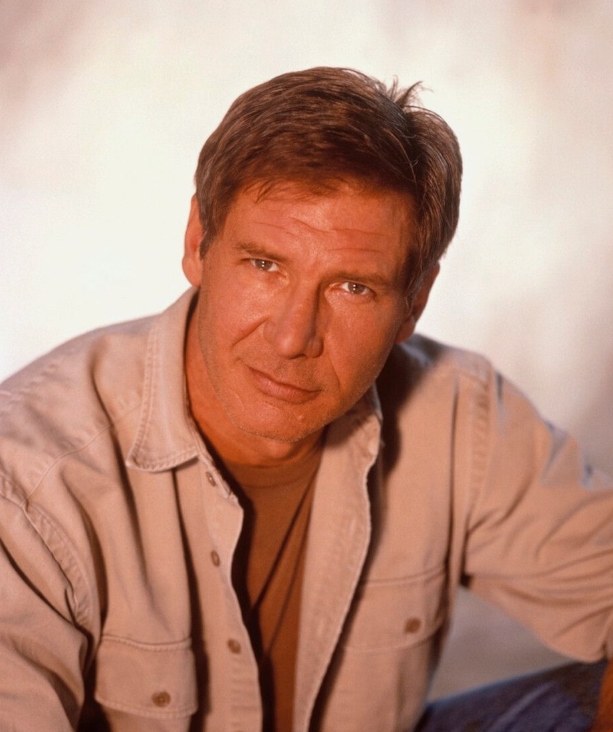
A career this long inevitably changes with age, but Ford has not treated aging as a reason to disappear. In recent years, he moved comfortably into television while continuing to appear in major films. The Yellowstone prequel 1923, created by Taylor Sheridan, cast him as Jacob Dutton opposite Helen Mirren, giving him a rugged Western role suited to his weathered screen presence. Apple’s comedy Shrinking revealed another side. Ford plays therapist Paul Rhoades alongside Jason Segel and Jessica Williams, bringing dry timing and emotional restraint to material that can turn from funny to tender within a single scene. Apple confirms that the show’s third season premiered on January 28, 2026, with Ford still among the principal cast. He also entered the Marvel Cinematic Universe as President Thaddeus Ross in Captain America: Brave New World in 2025. These roles matter because they complicate the lazy idea that an older actor is simply fading from view. Ford is doing something more interesting: allowing age to become part of the performances rather than pretending it is absent. His slower gestures, rough humor, lined face, and unmistakable voice now carry decades of screen history. Audiences are not watching the same Harrison Ford from 1981.
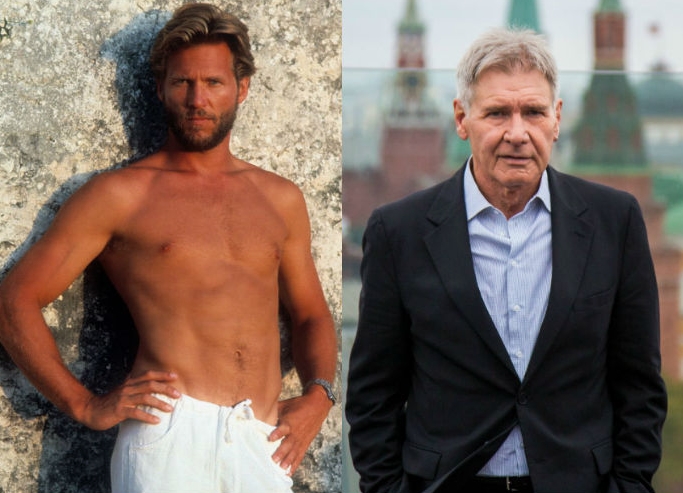
That difference is precisely why headlines about Ford “looking completely different” can feel unnecessarily dramatic. Of course he looks different from the man who first flew the Millennium Falcon almost fifty years ago. Time has passed for the actor and for the audience that grew up with him. The March 2025 outing with Calista Flockhart offered a gentler way to see that passage. Ford and Flockhart met at the Golden Globe Awards in 2002, and they married in 2010. During their Manhattan subway trip in 2025, photographers captured them walking together, sharing affection, and then heading toward separate trains for the day. Flockhart was appearing off Broadway in Sam Shepard’s Curse of the Starving Class at the time. Ford reportedly told another passenger that he had not ridden the subway in years. There was something appealing about that detail: a man associated with starships, airplanes, archaeological escapes, and presidential aircraft sitting among ordinary New Yorkers underground. It reduced decades of movie mythology to the scale of a commute. That is far more memorable than treating natural aging as a shock or asking readers to judge a familiar face against photographs taken in youth. The real story is continuity, not transformation alone.